
Why Data Science & Analytics Are Booming Careers in India’s IT Industry
India’s IT industry has long been a global talent hub, but in recent years, the spotlight has shifted toward data science and analytics. These fields are no longer niche specializations; they are central to how organizations operate in a digital economy. The growing demand for professionals in this space makes it one of the most promising career paths in India today.
The Data Explosion Driving the Need

India’s digital ecosystem is expanding at an unmatched pace. With the rapid rise of smartphones, online payments, e-commerce, and cloud adoption, the country generates enormous volumes of data every day. Each transaction, click, and search adds to a vast pool of information that businesses must store, manage, and interpret.
This growth is fuelling demand for data analytics jobs in India. From Python for data science beginners to advanced machine learning frameworks, professionals skilled in data analysis are helping organizations unlock insights that improve efficiency and drive growth.
AI, Automation, and Smarter Decisions
Businesses are moving beyond periodic reporting to predictive and prescriptive analytics. Artificial intelligence, machine learning, and automation are becoming essential tools for enhancing decision-making. From fraud detection in finance to personalized recommendations in e-commerce, data-driven models are shaping customer experiences and operational strategies.
This shift also fuels discussions such as full-stack and data science salary in India, where analytics roles often command higher pay due to their direct impact on business outcomes. Many IT professionals now view specialization in analytics as a strategic move to secure future-ready careers.
Opportunities Across Sectors
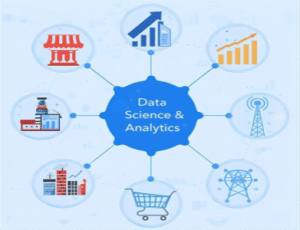
One strength of analytics careers is their wide relevance across industries:
- Finance & Banking — credit scoring, fraud detection, investment modeling.
- Healthcare & Pharma — predictive diagnostics, patient-data analysis, clinical research.
- Retail & E-commerce — customer segmentation, recommendation systems, supply-chain analytics.
- Telecom & Manufacturing — predictive maintenance, network optimization, IoT data streams.
Because every sector is becoming data-driven, the scope for analytics professionals is much broader than for many traditional IT roles.
The Startup and Innovation Factor
India’s startup ecosystem is another major driver of opportunity. Fintech, healthtech, edtech, and agritech ventures increasingly place analytics at the core of their operations. Startups often seek professionals who can combine programming, statistics, and problem-solving, offering early exposure to real-world projects and faster career progression.
This has also led to interest in job-ready tech courses in Tamil Nadu and training programs that emphasize practical, project-based learning. Working on hands-on IT projects for freshers that resemble workplace challenges helps aspirants build confidence and employability.
The Supply–Demand Gap
Despite soaring demand, the supply of skilled professionals remains limited. India produces many IT graduates each year, but relatively few possess the mix of statistical knowledge, programming fluency, and domain expertise required for analytics roles. This shortage makes data-focused careers both attractive and well-paid.
It’s no surprise that professionals considering a career switch to IT in Chennai or other technology hubs often view analytics as a compelling option alongside coding roles such as full-stack development.
Salary Trends in Data Analytics
Understanding compensation helps frame the opportunity in tangible terms. Based on industry reports and recruitment trends:
- Freshers (0–2 years): ₹4.5–6.5 LPA on average
- Mid-level professionals (3–6 years): ₹8–15 LPA
- Senior roles / Data Scientists with 7+ years: ₹18–25 LPA+ (varies by company, location, and expertise)
These ranges reflect the premium placed on analytics skills due to high demand and limited supply, especially in specialized domains like machine learning, AI, and cloud-based analytics.
Placement-Driven Learning Trends
The IT training landscape has also shifted toward employability. Learners increasingly value programs designed around a job-ready curriculum IT training model that emphasizes projects, portfolios, and interview preparation.
Institutes offering the best IT courses with placement support reflect this market trend. Some even promote a 100% placement IT academy in India model, but regardless of approach, the clear focus is on making learners industry-ready with practical skills and demonstrable results.
Resilience of Analytics Careers
Analytics careers have proven resilient in times of uncertainty. During global disruptions like the COVID-19 pandemic, organizations leaned more heavily on data to forecast demand, manage supply chains, and adapt customer engagement strategies.
This resilience shows that analytics is not a passing trend but a foundational capability for modern enterprises. With emerging technologies such as generative AI, cloud-native platforms, and real-time analytics gaining traction in 2025 and beyond, demand for data professionals will continue to rise.
What It Takes to Succeed
While the field is rewarding, it requires dedication and continuous learning. To build a strong career in analytics, professionals need:
A solid foundation in statistics and mathematics.
- Programming skills, especially Python, for data science beginners advancing into more complex use cases.
- Business knowledge to translate insights into actionable decisions.
- Ongoing upskilling to stay current with evolving tools and technologies.
- Communication skills to explain insights clearly to non-technical teams.
The combination of technical expertise and the ability to tell a compelling data story is what makes analytics professionals truly valuable.
Conclusion
Data science and analytics are reshaping India’s IT industry. With businesses across finance, healthcare, retail, telecom, and government adopting data-driven strategies, the demand for skilled professionals will continue to grow.
For freshers and experienced professionals alike, this is the right time to explore opportunities in analytics. With structured learning, project-based experience, and continuous upskilling, those who invest in this field today will be at the center of India’s digital economy tomorrow.